KidneyTalksPH kidney and chat icon

Post-Transplant

Buhay pagkatapos ng kidney transplant: tuloy-tuloy ang pag-aalaga.

Practical Filipino publication hub para sa anti-rejection medicines, labs, infection prevention, pagkain, work, travel, mental health at long-term follow-up.

Post-Transplant

Medicine • Labs • Follow-up

Consistency at monitoring ang backbone ng long-term transplant care.

●MEDICINE⌁LABS↻FOLLOW-UP
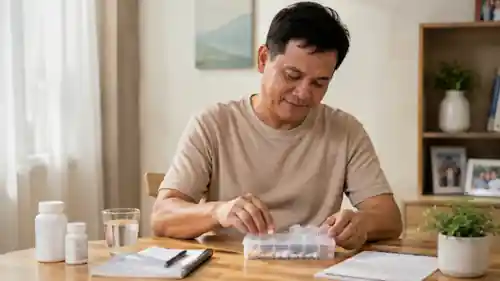
Kidney transplant recipient organising daily medicines and follow-up reminders at home
KidneyTalksPH editorial image · AI-generated illustration, not a real patient story or clinical encounter.

Trusted external resources

Philippine transplant resources worth knowing

KidneyTalksPH links to these resources for easier discovery. A link does not mean partnership or endorsement.

Ang kidney transplant ay hindi finish line ng kidney care. Pagkatapos ng surgery, nagsisimula ang long-term phase ng anti-rejection medicines, laboratory monitoring, infection prevention, follow-up at adjustment sa daily life.

Maraming transplant recipients ang gustong bumalik sa normal na routine, pero may bagong responsibilities na kailangang maging bahagi ng araw-araw. Ang pinakaimportanteng principle: ang transplant team ang pangunahing source para sa medicine changes, suspected rejection or infection, vaccines, pregnancy planning at interpretation ng graft-related labs.

Anti-rejection medicines: consistency ang pinakaimportanteng routine

Immunosuppressive medicines protect the transplanted kidney but also require careful timing and monitoring. Missing doses or changing the schedule without advice can be risky.

Keep an updated list, use alarms if helpful, and contact the transplant team for missed-dose instructions rather than guessing.

Practical checklist

  • ✓Use a consistent medicine schedule.
  • ✓Carry a current medication list.
  • ✓Check before starting OTC medicines or supplements.

Laboratory monitoring kahit okay ang pakiramdam

Transplant problems can sometimes appear in blood tests before obvious symptoms develop. Routine creatinine, drug levels and other labs help the team monitor graft function and medicine safety.

Do not skip scheduled labs just because you feel well. The frequency usually changes over time based on transplant stage and clinical stability.

Infection prevention without living in fear

Immunosuppression can increase infection risk. Good hand hygiene, food safety, vaccine planning and early reporting of fever or unusual symptoms are practical parts of long-term care.

Not every cough or fever means rejection, and not every symptom should be diagnosed online. Contact the transplant team according to the instructions they gave you.

Food, weight, blood pressure and lifestyle

After transplant, appetite and diet may change. Some medicines can affect blood sugar, blood pressure, weight or lipids, so long-term health still matters.

A balanced diet, safe physical activity and regular monitoring can help protect cardiovascular health and graft function. Exact restrictions should be individualized.

Vaccines and new medicines need transplant-team review

Immunosuppression changes vaccine recommendations, including which vaccines and timing are appropriate. Do not assume that a vaccine schedule from before transplant still applies unchanged.

The same applies to herbal products, supplements and new prescriptions from other doctors. Make sure every clinician knows you are a transplant recipient.

Returning to work, travel and relationships

Recovery timelines differ. Return to work or school depends on healing, infection risk, job demands and the transplant team's assessment.

Travel is possible for many recipients, but medicines, follow-up, insurance, food safety and access to medical care should be planned in advance.

Mental health after transplant

Relief and gratitude can exist alongside fear of rejection, medication anxiety or worry about returning to dialysis. These feelings are common enough to deserve open discussion.

Peer support can help, but persistent anxiety, depression or difficulty functioning should also be discussed with a professional.

Know the urgent contact plan

The transplant centre should give instructions about which symptoms require immediate contact. Fever, significant reduction in urine, severe vomiting that prevents medicines, severe pain, breathing difficulty or other concerning changes may require prompt assessment depending on the situation.

Keep the transplant team's contact number accessible and do not delay urgent concerns while waiting for a community reply.

Key takeaway

Post-Transplant life is long-term care: take anti-rejection medicines exactly as prescribed, keep labs and follow-up, check vaccines and new medicines with the transplant team, and report concerning changes early.

Verified official information

Adult post-kidney-transplant Z Benefits

Sa PhilHealth Circular 2025-0012, kabilang sa essential Post-Transplant services sa contracted health facilities ang prescribed immunosuppressive medicines, routine monitoring, diagnostics, procedures at living-donor monitoring. Ang covered essential services ay hindi dapat magkaroon ng copayment, habang ang non-covered upgrades o private amenities ay maaaring magkaroon ng agreed costs.

Source checked 2026-08-13Read PhilHealth Circular ↗

Kailangan pa ring i-confirm sa PhilHealth at transplant centre ang package eligibility, contracted facility at treatment plan.

Official benefit overview

Ano ang puwedeng suportahan ng package

💊

Immunosuppressive medicines

Up to ₱40,725

per 30-day prescription

The adult package lists prescribed immunosuppressive combinations that can include tacrolimus or cyclosporine, mycophenolate or azathioprine, mTOR medicines, and corticosteroids.

🛡️

Drug prophylaxis

Up to ₱18,932

for a 6-month prescription period

The circular includes prescribed infection-prophylaxis medicines as an essential service under the adult post-transplant package.

🧪

Drug-level monitoring

Up to ₱3,100

per availment, subject to package limits

Monitoring can include trough levels for medicines such as tacrolimus, cyclosporine, sirolimus or everolimus, as prescribed.

🔬

Laboratory monitoring

₱11,242 / ₱8,125

every 3 months: first year / succeeding years

PhilHealth sets separate quarterly package limits for laboratory monitoring during the first year and from the 13th month onward.

🧫

Renal graft biopsy

₱77,000

once a year, if indicated

A renal graft biopsy is included when clinically indicated, subject to the circular's requirements.

🤝

Living donor monitoring

₱1,900

every 6 months

The package also includes ongoing laboratory monitoring for eligible living kidney donors.

Community experiences

Mga usapang hindi natatapos pagkatapos ng transplant

Browse community →

Makakatulong ang peer experiences para makapaghanda ng tanong at makaramdam ng support, pero hindi ito kapalit ng advice ng transplant team.

💊

Maintenance Medicines

Anong maintenance medicines after transplant?

Never change, skip or share anti-rejection medicines based on forum advice.

Start this discussion →
🚨

Rejection & Infection

Paano malaman kung may rejection o infection concern?

Possible rejection or infection needs prompt contact with the transplant team, not community diagnosis.

Start this discussion →
💉

Vaccines

Pwede ba magpa-vaccine after kidney transplant?

Vaccine timing and type should be cleared with the transplant team because immunosuppression changes recommendations.

Start this discussion →
🥗

Food & Lifestyle

Ano ang food at lifestyle changes after transplant?

Individual diet, alcohol, travel and activity advice should come from the treating team.

Start this discussion →
🌿

Side Effects

Paano ninyo hinarap ang side effects ng maintenance medicines?

Report side effects to the prescriber; do not stop anti-rejection medicines on your own.

Start this discussion →
💼

Return to Work

Kailan kayo nakabalik sa work o school?

Recovery timelines differ; fitness for work should be discussed with the transplant team.

Start this discussion →
🤝

Donor Aftercare

Kamusta ang donor months or years after donation?

Living donors still need long-term follow-up and should use their own medical team for health concerns.

Start this discussion →
🗓️

Long-term Life

Paano ninyo mina-manage ang long-term follow-up?

Pregnancy, long-term graft health and medication planning need specialist review.

Start this discussion →
💛

Mental Health

Normal bang kabahan na baka bumalik sa dialysis?

Peer support can help, but persistent anxiety or depression deserves professional support too.

Start this discussion →

Medical safety

Makakatulong ang KidneyTalksPH sa paghahanap ng official information at lived experiences, pero ang suspected rejection o infection, medicine changes, vaccine decisions, pregnancy planning at interpretation ng transplant laboratory results ay dapat direktang hawakan ng transplant nephrologist o transplant team.